
Are Dull Knives More Dangerous Than Sharp Ones in the Kitchen?
The culinary space is a realm of creativity and precision, but safety must remain a paramount concern. Among the tools utilized daily by home cooks and professionals, the blade stands out as the most essential instrument. However, a persistent debate continues to circulate regarding the safety of these tools. Many individuals naturally question whether an unmaintained, blunt edge poses a greater hazard than a meticulously honed one. This inquiry touches on fundamental principles of culinary safety, tool maintenance, and correct user technique. Many instinctively assume a keen edge is inherently more dangerous because of its capacity to slice through materials with minimal resistance. Yet, experienced culinary experts consistently advocate for routine knife sharpening to maintain optimal performance and ensure maximum safety. To fully comprehend which condition presents a more significant threat in the kitchen, one must evaluate the physical dynamics of cutting, the specific behaviors induced by poorly maintained tools, and the overall impact on the user.
Analyzing the Physics of a Cutting Edge
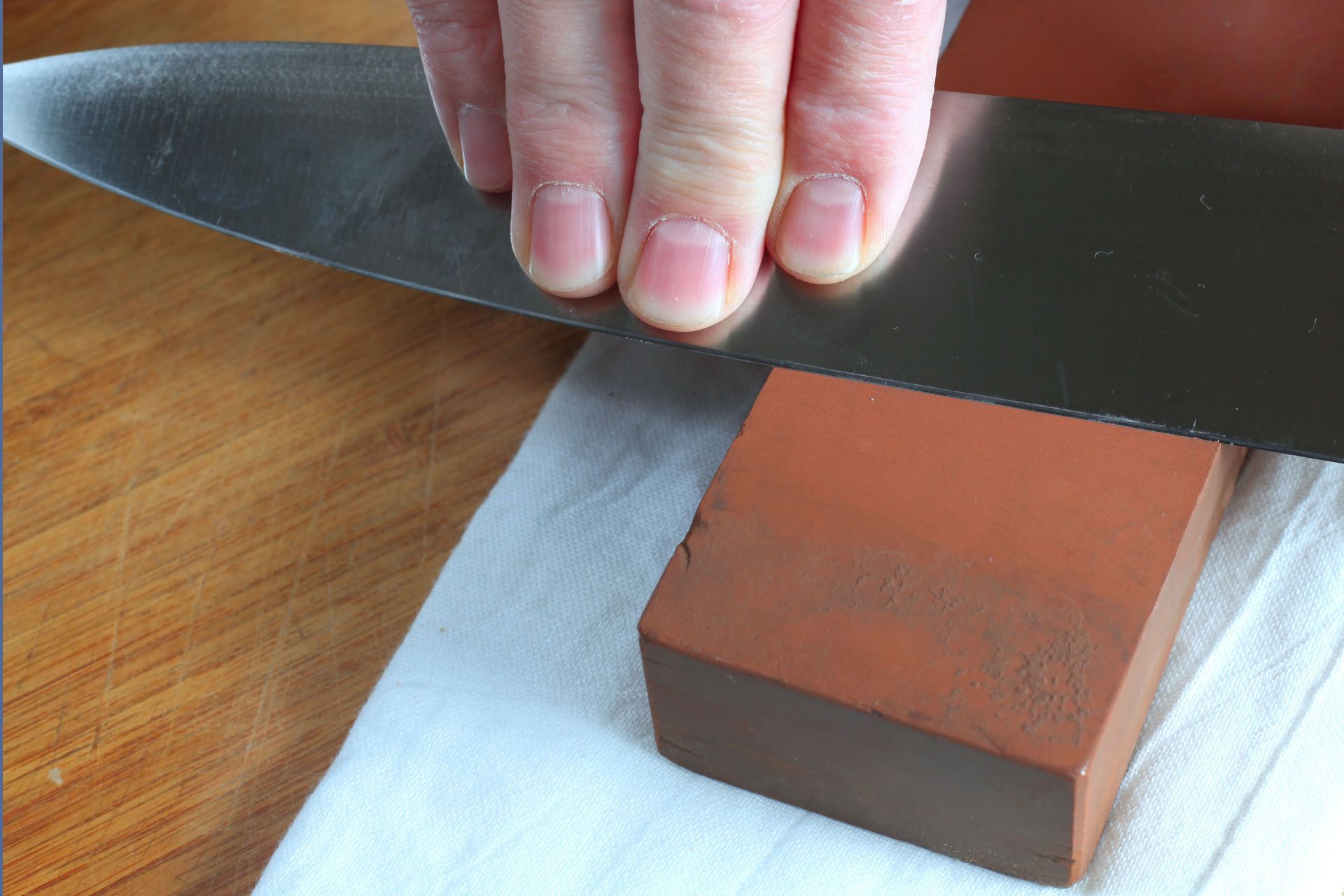
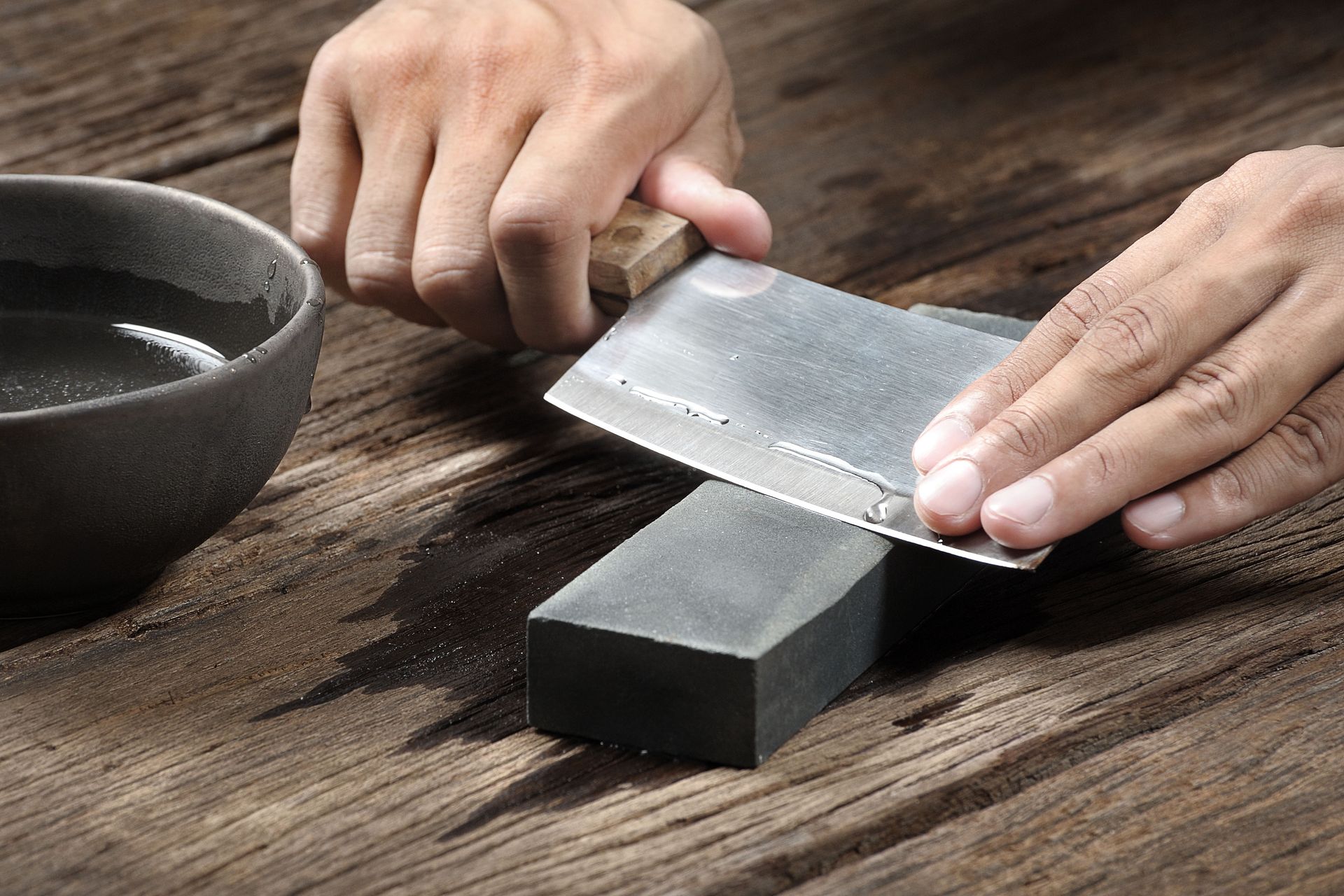
To understand the safety implications associated with different blade conditions, one must examine the physical mechanics involved in slicing ingredients. A properly maintained edge features a fine geometry designed to part materials smoothly and efficiently. When this specific geometry degrades through repeated use, the edge becomes rounded and thick. This degradation completely alters the way the tool interacts with food surfaces. Instead of cleanly parting the cellular structure of an ingredient, a degraded blade crushes and tears its way through the material. This shift in mechanical action requires the user to compensate by altering their technique, usually to their detriment. Professional knife sharpening restores this fine geometry, bringing the tool back to its original mechanical efficiency. Without this crucial restoration, the tool simply cannot perform the tasks it was engineered to execute. The friction between the metal and the food increases dramatically, setting the stage for potential mishaps and unexpected slippage during meal preparation.
Exploring the Mechanics of Blade Degradation
The natural degradation of a blade is an unavoidable consequence of culinary activity, but ignoring it creates an unpredictable environment. As the fine edge wears down, the immediate consequence is a drastic increase in the pressure required to make a basic cut. The user is forced to rely on brute strength rather than the mechanical advantage of the tool itself. This reliance on force fundamentally changes the cooking experience from a controlled process into an unpredictable physical exertion. When a cook pushes down harder to force a thick edge through food, the likelihood of the tool slipping multiplies. Ingredients with tough outer skins become particularly hazardous obstacles. If the blade fails to bite into the skin, it can slide sideways, directly toward the hands guiding the food. Routine knife sharpening eliminates the need for this dangerous overcompensation, allowing the user to let the weight and geometry of the tool do the work, reducing the chances of a high-pressure slip.
Identifying the Dangers of Unmaintained Tools
The correlation between excessive force and accidental slips forms the core argument against neglecting tool maintenance. The immense pressure applied when operating a blunt instrument means that if a slip occurs, the resulting trajectory carries significant momentum. The user has far less control over the instrument when exerting maximum downward force, making it almost impossible to stop the blade once it veers off course. This loss of control is precisely why unmaintained tools are universally feared by experienced chefs. Furthermore, the injuries sustained from a blunt object are often more traumatic to the tissue. A thick, unmaintained edge tends to cause ragged tears rather than clean slices. These wounds are difficult to treat and often result in prolonged recovery times. By prioritizing consistent knife sharpening, culinary enthusiasts can ensure their tools glide effortlessly through ingredients, maintaining full control and drastically minimizing the potential for momentum-driven accidents.
Examining the Physical Toll on the User
Another critical factor in the overarching safety debate is the physical toll that unmaintained tools take on the user over an extended period. Chopping firm vegetables or slicing meat with a compromised edge requires continuous, strenuous effort. Over the course of preparing a complex meal, this extra physical exertion inevitably leads to muscle fatigue in the hands, wrists, and forearms. As physical fatigue sets in, the user's grip strength weakens, and their fine motor skills diminish significantly. This physical exhaustion severely compromises their ability to safely maneuver the tool. A tired cook is a sloppy cook, and a sloppy cook is far more prone to making dangerous errors in technique. Regular knife sharpening circumvents this insidious problem by ensuring the tool always requires minimal physical effort to operate. By preserving the user's stamina, a well-maintained edge indirectly contributes to a safer, more focused environment where proper form can be maintained from the beginning of the preparation process to the end.
Recognizing the Risks of a Honed Instrument
While degraded edges present severe risks due to slippage and excessive force, finely tuned tools carry their own unique set of safety considerations. A highly responsive edge commands respect and demands proper, mindful technique at all times. Because it parts materials effortlessly, a momentary lapse in concentration can lead to a severe cut before the user realizes it. Inexperienced users often underestimate how little pressure is actually needed, leading to accidental cuts if their fingers are improperly positioned on the cutting board. The danger here lies in the sheer efficiency of the instrument, as it will slice through skin just as easily as it slices through a vegetable. Therefore, handling a responsive tool requires absolute mindfulness, a secure grip, and the adoption of professional holding techniques to protect exposed fingertips. Although prioritizing knife sharpening keeps the tool functioning beautifully, the user must never become complacent. The primary risk associated with a well-maintained tool is user error, rather than mechanical failure.
Highlighting the Importance of Regular Maintenance
Beyond physical pain, there are substantial economic factors to consider when discussing kitchen safety. Medical treatments for lacerations, especially those requiring stitches or extensive intervention, can be incredibly expensive and disruptive to daily life. According to Industrial Safety & Hygiene News, more than $300 million is spent each year for hand lacerations alone. This stark reality highlights the severe financial burden that results from poor safety practices and inadequate equipment maintenance. Investing a small amount of time and resources into proper equipment care is a highly cost-effective preventative measure compared to the exorbitant costs of medical bills and lost productivity. Whether operating in a bustling commercial kitchen or a quiet residential home, the financial logic of maintaining equipment is absolutely undeniable. It is always more economical to preserve the integrity of the tool than to pay for the severe consequences of a preventable accident. Consistent knife sharpening is an investment in both personal well-being and financial stability.
Ultimately, the ongoing debate over blade safety leads to a clear and definitive understanding: compromised, blunt tools are significantly more hazardous due to the unpredictable nature of the excessive force they require. While a finely honed instrument demands respect and proper technique, it provides the control and predictability necessary for safe culinary preparation. Neglecting the care of your instruments not only ruins the cooking experience but also drastically increases the likelihood of severe, costly accidents that could have been easily avoided. Taking the time to ensure your equipment is in peak condition is a fundamental responsibility for anyone who steps into a kitchen space. Proper maintenance transforms cooking from a physical struggle into a graceful, controlled art form. We are dedicated to helping you maintain that standard of excellence and safety in your culinary endeavors. Protect yourself and enhance your cooking experience by relying on knowledgeable professionals. Call Master Grinding Service Inc. today to learn more about our comprehensive services.




Share On: