
5 Ways to Avoid Cross-Contamination in the Kitchen
Maintaining a high standard of hygiene in a professional or domestic kitchen is a multifaceted responsibility that requires constant attention to detail. Food safety is not merely a suggestion but a critical foundation for health and success in any culinary environment. When bacteria or other pathogens move from one surface or ingredient to another, the result is cross-contamination, a leading cause of foodborne illness worldwide. While most people associate food safety with simple tasks like rinsing a piece of fruit, the reality involves a complex web of behaviors ranging from how we store raw proteins to how we maintain the heavy equipment used for processing ingredients.
1. Implementing Rigorous Hand Hygiene
The most common vehicle for the transfer of pathogens in any kitchen is the human hand. Because hands are constantly in contact with different surfaces, ingredients, and tools, they are the primary source of cross-contamination. Establishing a culture of frequent and thorough hand washing is the single most effective way to protect consumers. This process must be more than a cursory splash of water. It requires warm water and soap, applied with enough friction to physically dislodge microorganisms from the skin, particularly in the crevices around the fingernails and between the fingers.
It's not just about washing hands before starting to cook; it’s also about washing them during food preparation, especially after handling raw ingredients. According to Food Safety Magazine, there were an average of 1.29 potential cross-contamination actions per restaurant in a recent study. These actions often occur when a cook transitions from handling raw poultry to touching a refrigerator handle or a seasoning container without first scrubbing their hands. To prevent these lapses, hand-washing stations should be easily accessible and stocked with single-use paper towels. Drying hands thoroughly is just as vital as washing them, as damp skin can harbor and transfer bacteria more readily than dry skin.
2. Separating Raw And Ready Ingredients
A fundamental rule of kitchen organization is the physical separation of raw animal products from items that will be consumed without further cooking, such as salad greens or bread. This separation must begin the moment groceries or deliveries are received. In the refrigerator, raw meats should always be stored on the lowest shelves. This prevents juices, which may contain pathogens like Salmonella or E. coli, from dripping onto items stored below. Utilizing airtight containers for all stored foods adds an extra layer of protection, preventing the accidental transfer of bacteria through touch or spills.
The use of color-coded cutting boards is a highly effective industry standard that helps maintain this separation during the preparation phase. By assigning specific colors to different food groups, red for raw meat, blue for seafood, and green for produce, a kitchen can virtually eliminate the risk of using a contaminated surface for fresh ingredients. However, the integrity of these tools must be monitored. Over time, knives create deep grooves in plastic or wood boards where bacteria can hide, making them difficult to sanitize effectively.
3. Maintaining Specialized Culinary Equipment
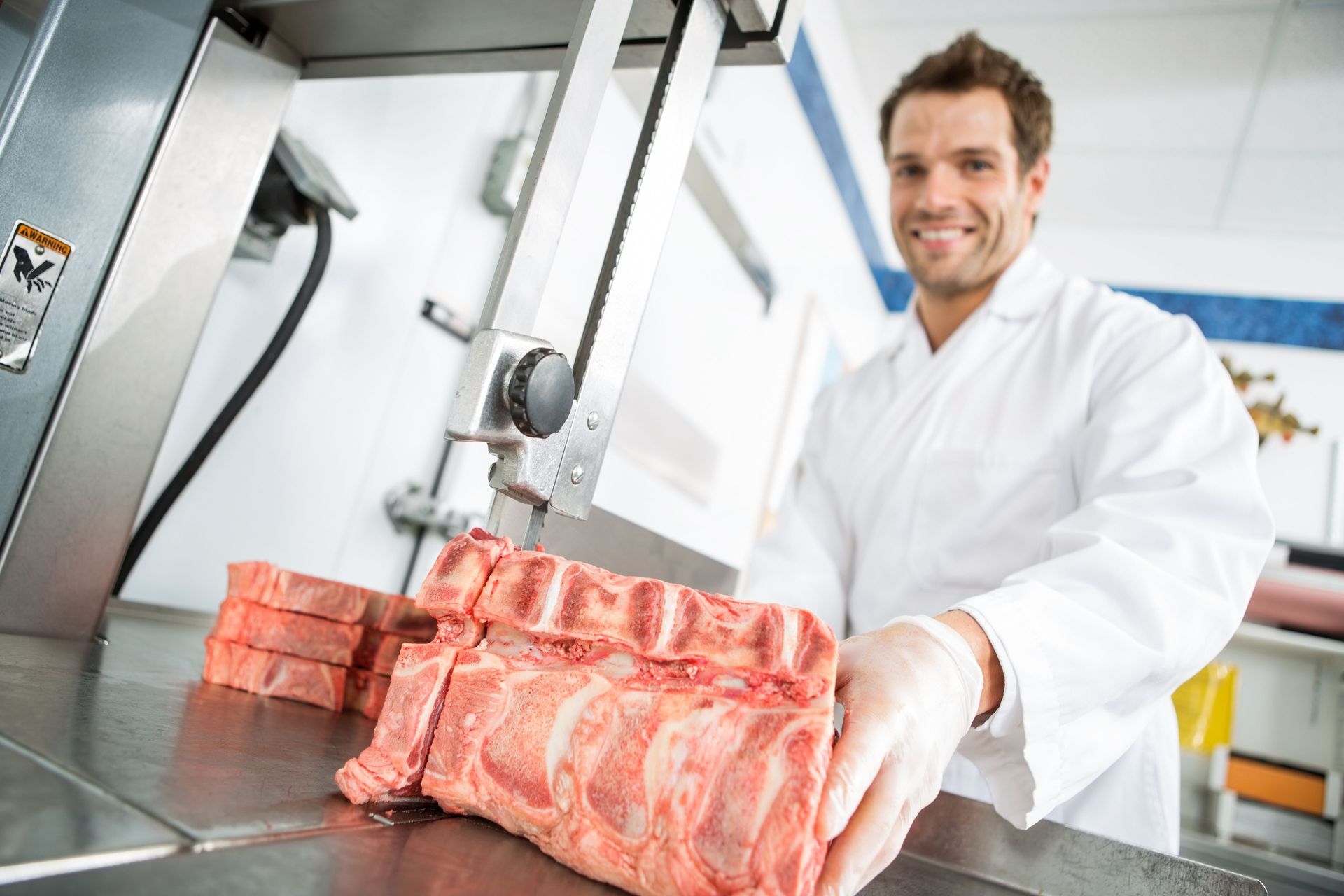
Large-scale food preparation often involves the use of complex machinery designed to increase efficiency. However, these machines can become significant hazards if they are not cared for with precision. A meat slicing machine, for instance, has many intricate parts, including blades, guards, and high-tension springs, all of which can collect food particles and harbor dangerous bacteria if not disassembled and sanitized daily. Regular inspections of these machines are necessary to ensure that no part of the mechanism is failing or trapping debris in inaccessible areas.
When a machine begins to show signs of wear or starts to operate inconsistently, it is vital to seek professional meat slicing machine repair to ensure the unit remains safe for food contact. Mechanical failures often create small metal shavings or lead to the buildup of old organic matter in the internal housing, both of which pose a direct threat to food safety. Ensuring that all equipment is in peak condition involves more than just surface cleaning; it requires a deep understanding of the mechanical health of the unit. Professional meat slicing machine repair services can calibrate blades and replace seals that might otherwise allow contaminants to seep into the motor housing or food zone.
4. Sanitizing Work Surfaces Regularly
The surfaces where food is prepared must be treated as active zones of protection. Cleaning and sanitizing are two distinct but equally important processes. Cleaning involves the removal of visible dirt and food debris using detergents and water, while sanitizing uses chemical solutions or high heat to reduce the number of bacteria to a safe level. High-touch areas, such as countertops, sink taps, and appliance handles, require frequent attention throughout the shift. A surface might look clean to the naked eye while still being covered in microscopic pathogens that can be transferred to the next item placed upon it.
To keep a kitchen truly safe, a written cleaning schedule should be followed, ensuring that no area is overlooked. This schedule should include the deep cleaning of floors, walls, and the undersides of worktables. When a kitchen utilizes a variety of tools, the risk of contamination increases if those tools are left on the counter between tasks. All utensils should be washed and sanitized after every use. In environments where heavy-duty processing occurs, the need for professional meat slicing machine repair becomes evident if the equipment cannot be easily sanitized due to mechanical damage or misalignment.
5. Monitoring Internal Cooking Temperatures
The final line of defense against foodborne illness is the application of heat. Cooking food to the correct internal temperature is the only way to ensure that any pathogens present in the raw product have been destroyed. Relying on visual cues, such as the color of the meat or the clarity of the juices, is often inaccurate and dangerous. Instead, the use of a calibrated food thermometer is required for every batch of protein prepared. Each type of meat has a specific temperature threshold that must be reached to guarantee safety, and these standards should be posted clearly in the cooking area for easy reference.
Even after food is cooked, the risk of cross-contamination remains. Placing a perfectly cooked steak back onto the plate that held it when it was raw will immediately re-contaminate the meat. Similarly, using the same tongs to flip raw chicken and then serve a finished piece of fish can transfer bacteria. Constant vigilance during the transition from the stove to the plate is necessary. If at any point the equipment used for preparation seems to be failing to produce uniform results, such as a slicer that is shredding meat rather than cutting it cleanly, it may be time for a meat slicing machine repair. Clean cuts are not just about aesthetics; they ensure that food cooks evenly and stays within the safe temperature zone during the entire process.
Concluding With Safety Standards
Building a safe kitchen environment is an ongoing commitment that involves every member of the staff and every piece of equipment in the building. From the initial hand wash to the final temperature check, each step in the process serves as a barrier against the spread of illness. Ignoring even one of these protocols can have devastating consequences for both the consumer and the reputation of the establishment.
To ensure your kitchen remains a leader in safety and efficiency, you must prioritize the health of your equipment alongside your hygiene practices. If your slicing equipment is not performing at its best or is becoming difficult to sanitize, do not wait for a failure to occur. Contact Master Grinding Service Inc today for expert
meat slicing machine repair and maintenance services. Our team provides the specialized care needed to keep your high-performance tools running smoothly and safely, allowing you to focus on what you do best: creating exceptional food for your guests.



Share On: